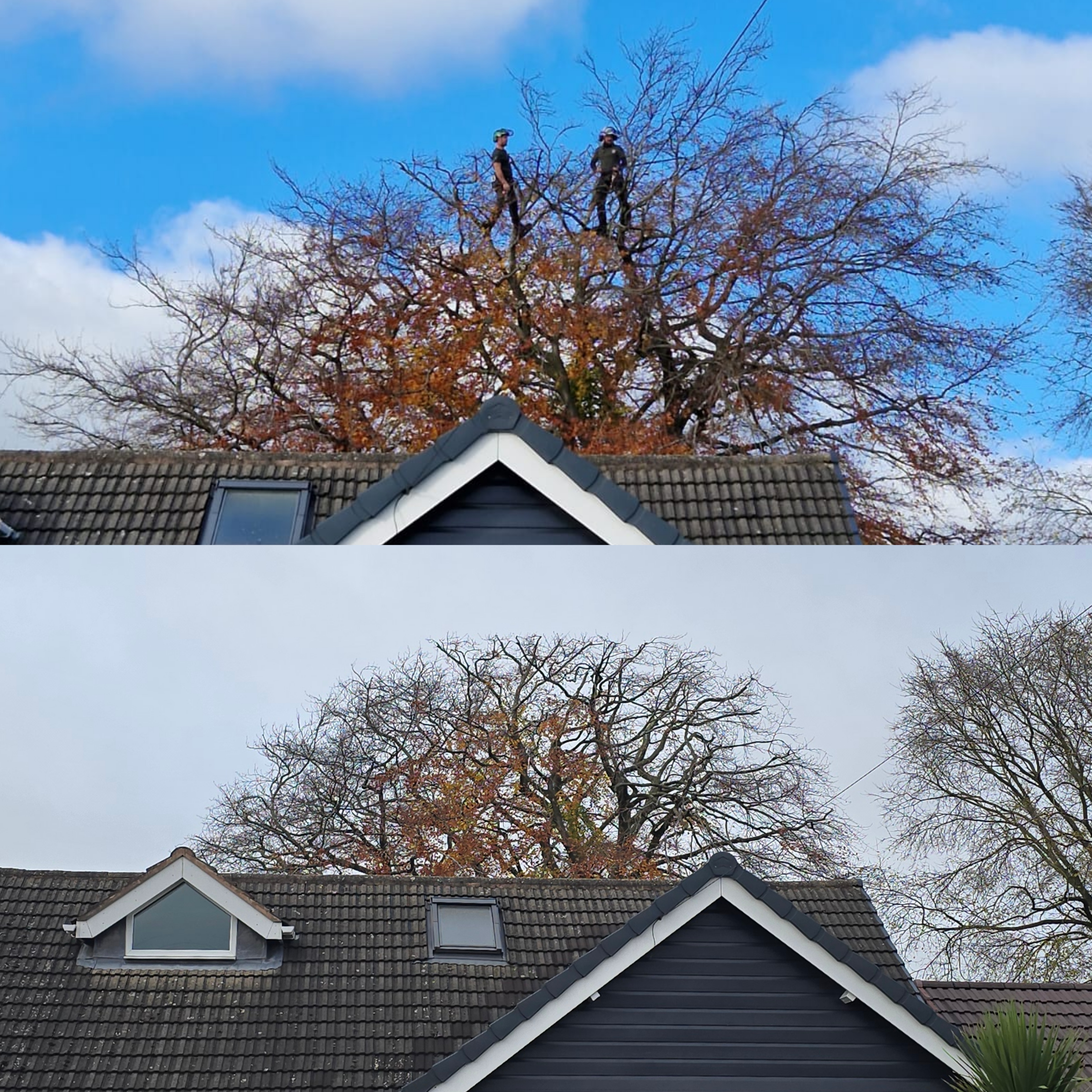
A crown reduction tree technique involves selectively pruning branches from the outer canopy to reduce height and spread while preserving the tree's natural shape and structural integrity. This method is a healthier alternative to topping; it utilizes strategic cuts at lateral branches to decrease wind resistance and weight without causing long term damage or decay.
Owning a majestic tree in Aberystwyth often comes with a distinct set of challenges; particularly when overextended limbs begin to encroach on your roofline or block the precious coastal light from your garden. It is tempting to view a dense canopy as a liability, yet the impulse to simply lop off the top can lead to irreversible structural decay. At Aberystwyth Tree Surgeons, we believe that proper maintenance is a sophisticated balance between safety and arboricultural integrity. This guide explores the precision of crown reduction, a technique designed to reduce height and spread while maintaining the natural silhouette of the tree. You will learn how to identify signals that your specimen requires attention, why industry professionals strictly avoid the hazards of tree topping, and what you should expect regarding local costs and seasonal timing for these essential works.
What is Crown Reduction and How Does it Benefit Your Tree?
A crown reduction tree service is a specialized pruning technique that reduces the overall height and spread of a tree's canopy. Unlike crude chopping, this method involves cutting branches back to a healthy lateral growth point. This allows the tree to continue its natural growth cycle while significantly decreasing its volume. For professional arborists, the standard protocol is the 20 to 25 percent rule. By removing no more of the foliage in a single season, we ensure the tree retains enough leaf surface to produce energy, preventing the physiological shock that often leads to long term decline.
It is important to distinguish this from other professional tree care services. While crown thinning removes smaller, inner branches to increase light penetration and air movement without altering the tree's size, and crown lifting removes the lowest branches to create clearance for pedestrians or vehicles, crown reduction focuses on the outer perimeter. This is particularly vital for the mature oaks and beeches common in Aberystwyth gardens. These grand specimens are landmarks of our local landscape, and a proper reduction maintains their natural silhouette rather than turning them into unsightly or damaged stumps.
By choosing a targeted reduction, homeowners protect the structural integrity of the tree. This process reduces the "sail area" of the canopy, making the tree less susceptible to limb failure during the heavy winds often experienced along the Cardigan Bay coast. If you are concerned about a tree that has outgrown its space, you can us to assess its health and suitability for this precise pruning procedure.
Tree Topping vs Crown Reduction: Why Professionals Never Top Trees
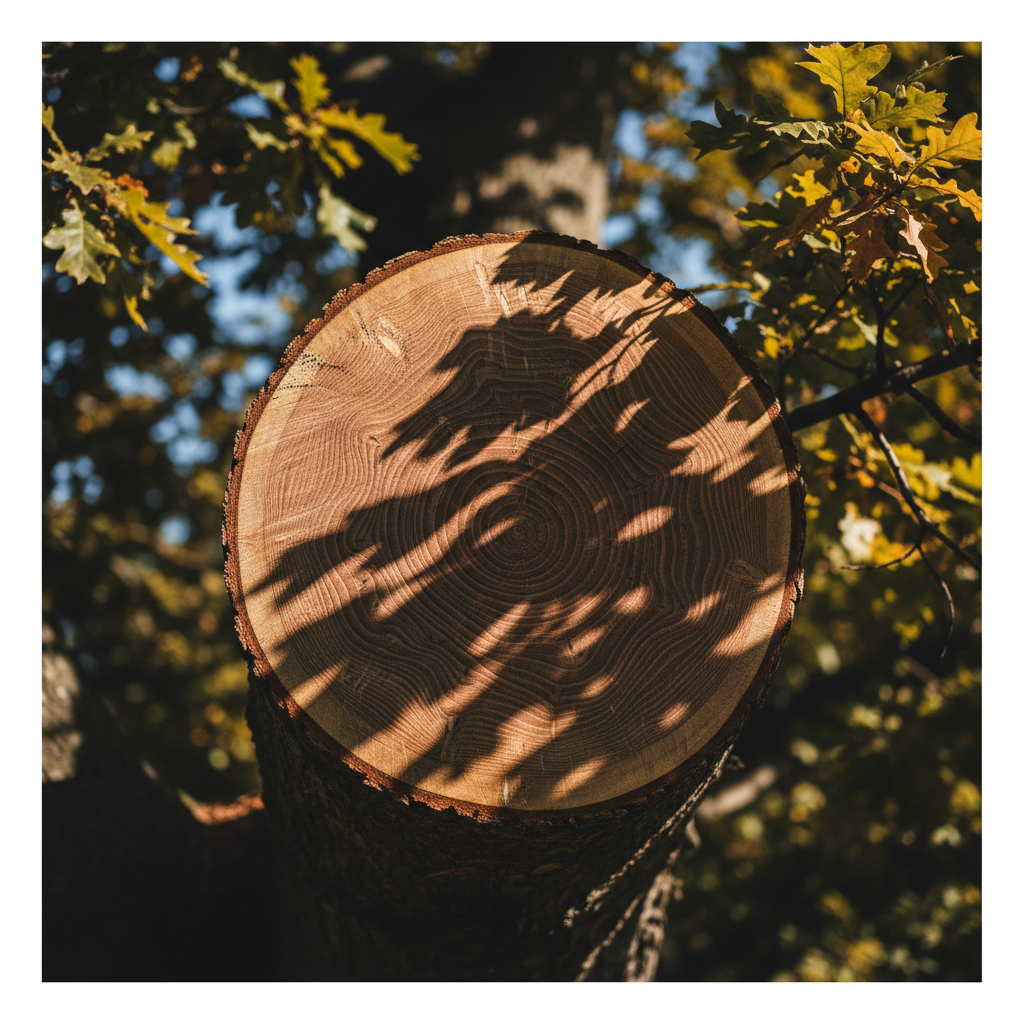
In the industry, topping is often referred to as hat-racking or lopping, and it remains one of the most damaging practices a homeowner can inflict on their landscape. While a professional crown reduction tree service carefully selects specific branches to remove, topping involves the indiscriminate cutting of large limbs back to stubs. This crude approach ignores the biological needs of the tree and sets off a chain reaction of physiological decline.
When a tree is topped, it loses the majority of its energy producing canopy. In a desperate bid for survival, the tree triggers epicormic growth. These are the clusters of thin, upright shoots, often called water sprouts, that appear around the cut ends. While they look like rapid recovery, they are structurally unsound. Unlike original branches that grow from a deep socket within the wood, epicormic shoots are only attached to the outer layers of the bark. In the face of West Wales storms and the high winds common along the Ceredigion coast, these weakly attached limbs are the first to fail, creating a significant safety hazard for your property.
Feature | Professional Crown Reduction | Tree Topping / Lopping) |
|---|---|---|
Cut Location | At lateral growth points | At random points between nodes |
Regrowth | Controlled and natural | Weak, rapid water sprouts |
Tree Health | Maintains structural integrity | Leads to internal decay and rot |
Storm Safety | Reduces wind resistance | Increases risk of limb failure |
Contrast this with a proper reduction. We prune back to a lateral growth point, which is a side branch that is at least one third the diameter of the limb being removed. This allows the tree to redirect its sap flow and seal the wound through compartmentalization. Topped stubs, however, cannot heal; they remain open wounds that invite decay, fungi, and boring insects into the heartwood.
A common question we hear is: Can a tree recover from being topped? The reality is that a tree rarely returns to its original health or form. Recovery typically requires years of expensive, corrective pruning to manage the chaotic regrowth and mitigate the risk of rot. In many cases, the damage is so severe that tree removal in Aberystwyth becomes the only safe long term option. If you are unsure about a previous contractor's work, you can us to evaluate the structural stability of your trees.
Topping vs Pollarding: Clearing the Confusion
Pollarding is often mistaken for topping because both involve significant height reduction, but the biological impact is entirely different. Pollarding is a deliberate, traditional management system. It begins while the tree is juvenile and involves a consistent, multi-year cycle of removing new growth back to the same points, known as pollard heads. This process creates the characteristic knobbly appearance seen on many historic trees across Ceredigion.
In contrast, topping is an unplanned, destructive reaction to a mature tree that has become problematic. While topping causes permanent decay in structural limbs, pollarding is a controlled method of containment that requires regular maintenance every few years. Certain species are naturally resilient to this heavy pruning. In the Aberystwyth area, willow and lime trees are excellent candidates for pollarding. When started early, these species thrive under the regime, whereas a mature oak or beech would likely suffer if subjected to similar treatment. If you have a tree that has outgrown its space, our professional tree care services can help determine if pollarding or a crown reduction tree service is the appropriate course of action.
Five Signs Your Tree Needs a Crown Reduction
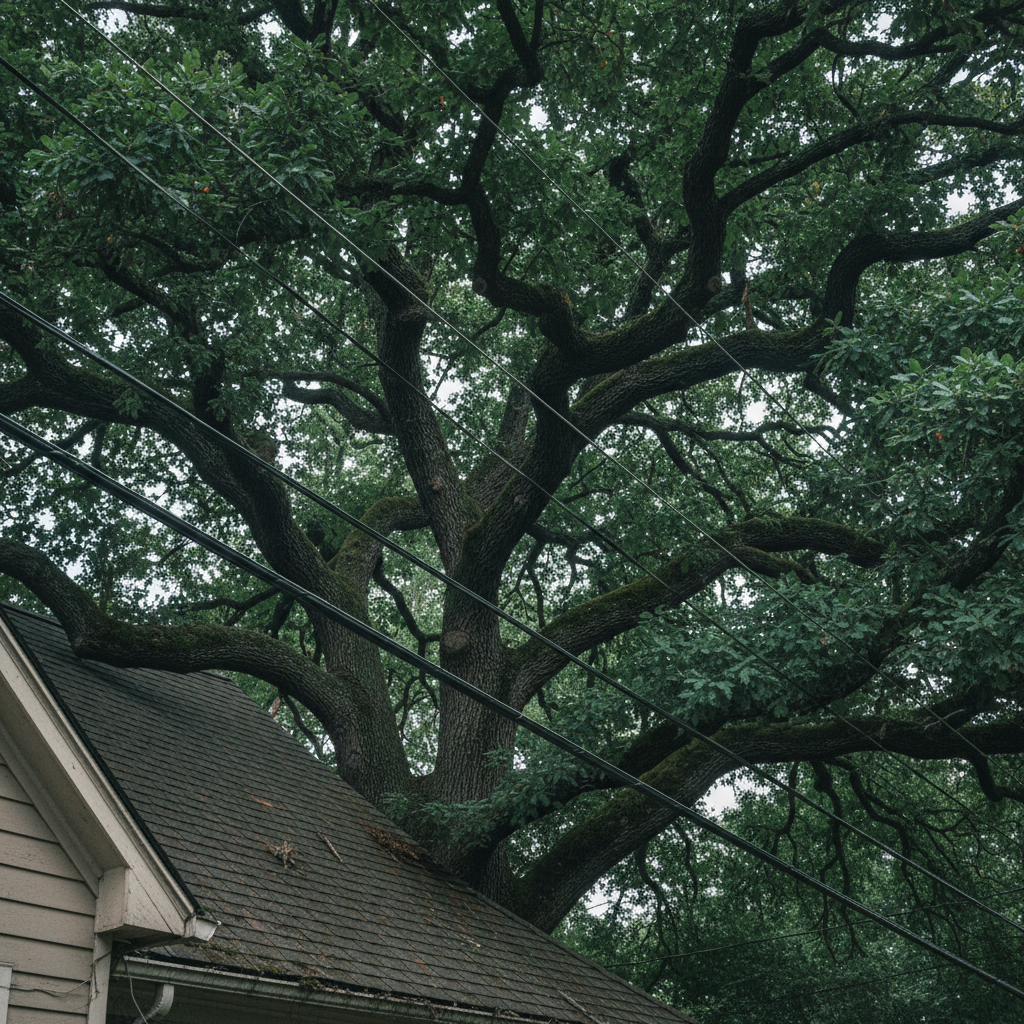
Identifying when a tree has transitioned from a landscape asset to a potential liability requires a keen eye for structural changes. In the unique environment of West Wales, where high rainfall and coastal salt spray influence growth patterns, homeowners should watch for specific indicators that a crown reduction tree service is necessary.
Encroachment on Infrastructure: In residential parts of Aberystwyth, trees often grow too close to utility lines or rooflines. If branches are scraping your gutters or tangling with telephone wires, a reduction is essential to prevent property damage and service interruptions during high winds.
Excessive Shading: While trees provide privacy, a canopy that has become too dense can block natural light from your home and stifle the growth of your lawn. If your garden remains damp and mossy even in summer, reducing the canopy spread can restore the balance of light without the need for total tree removal in Aberystwyth.
Visible Limb Stress: Look for branches that appear end-heavy or over-extended. When a limb grows too long without sufficient taper, the leverage at the attachment point increases. This makes the branch prone to snapping under its own weight or during a heavy rain event common in Ceredigion.
Exposure to Coastal Gales: Trees along the Cardigan Bay coastline face significant wind loading. A broad, thick canopy acts like a sail, catching the wind and putting immense pressure on the root system. Reducing the height and volume decreases this 'sail area,' making the tree much safer during winter storms.
Outgrowing the Site: Many urban gardens in town were not designed for the eventual scale of a mature Beech or Sycamore. If the tree has begun to dominate the space to the point of being oppressive, a professional reduction can bring it back into a manageable scale for its surroundings while maintaining its health.
Monitoring these signs is a key part of professional tree care services. If you notice any of these triggers, you should us for a structural assessment. Identifying these issues early allows for a planned reduction that preserves the aesthetic value of your landscape while mitigating the risks posed by our local climate.
Tree Crown Reduction Cost in the UK: What to Expect
Estimating the investment for a crown reduction tree service involves several variables beyond just the tree's height. In the UK, homeowners typically expect to pay between £250 and £1,500 per tree, though most residential jobs in West Wales fall somewhere in the middle of that range. The final quote depends on the species density, the volume of foliage to be removed, and how easily our team can access the site.
Tree Size | Estimated UK Cost Range | Complexity Factors |
|---|---|---|
Small (up to 10m) | £250 – £450 | Low density, easy garden access |
Medium (10m – 15m) | £450 – £850 | Standard suburban gardens |
Large (Over 15m) | £850 – £1,500+ | Heavy rigging, high foliage volume |
Projects located within Aberystwyth town centre often present unique challenges. If a tree is situated near a public highway or requires specialist rigging to lower limbs safely over a conservatory or power lines, the labour time increases. Furthermore, professional tree care services include the cost of chipping all arisings and legal green waste disposal. This adds significant value compared to DIY attempts, which often leave homeowners with tonnes of debris and the risk of property damage. Unlike a simple tree removal in Aberystwyth, a reduction requires ongoing technical precision to preserve the tree's health. If you need a firm quote for your specific landscape, you can us for a detailed site assessment.
The Best Time for Crown Reduction in Aberystwyth
Timing is a fundamental component of a successful crown reduction tree service. In West Wales, the dormant season, which typically runs from November to March, provides the ideal window for most deciduous species. During this period, the tree’s metabolic rate is low and sap flow is minimal. This significantly reduces physiological stress and allows the tree to focus its energy on compartmentalising wounds once the spring growth cycle begins. Furthermore, pruning while the canopy is bare gives our arborists a clear view of the branch structure, ensuring every lateral cut is placed with maximum precision.
Pruning during dormancy also helps prevent the spread of certain fungal pathogens that thrive in the humid, mild conditions of Ceredigion. However, there are notable exceptions. Species like Cherry, Plum, and Walnut are best pruned in mid summer. This timing reduces the risk of silver leaf disease and prevents excessive sap bleeding, which can lead to bacterial infections.
Before any work commences, it is vital to account for local regulations and wildlife protections. Many trees in Aberystwyth are subject to Tree Preservation Orders (TPOs) or reside within conservation areas, requiring formal permission from the local planning authority. Additionally, the Wildlife and Countryside Act protects nesting birds between March and August. As part of our professional tree care services, we conduct thorough site checks to ensure all work is compliant. If you are uncertain about the legal status of a tree on your property, you can contact our local team to manage the necessary applications and nesting surveys.
What to Expect During a Professional Crown Reduction Appointment
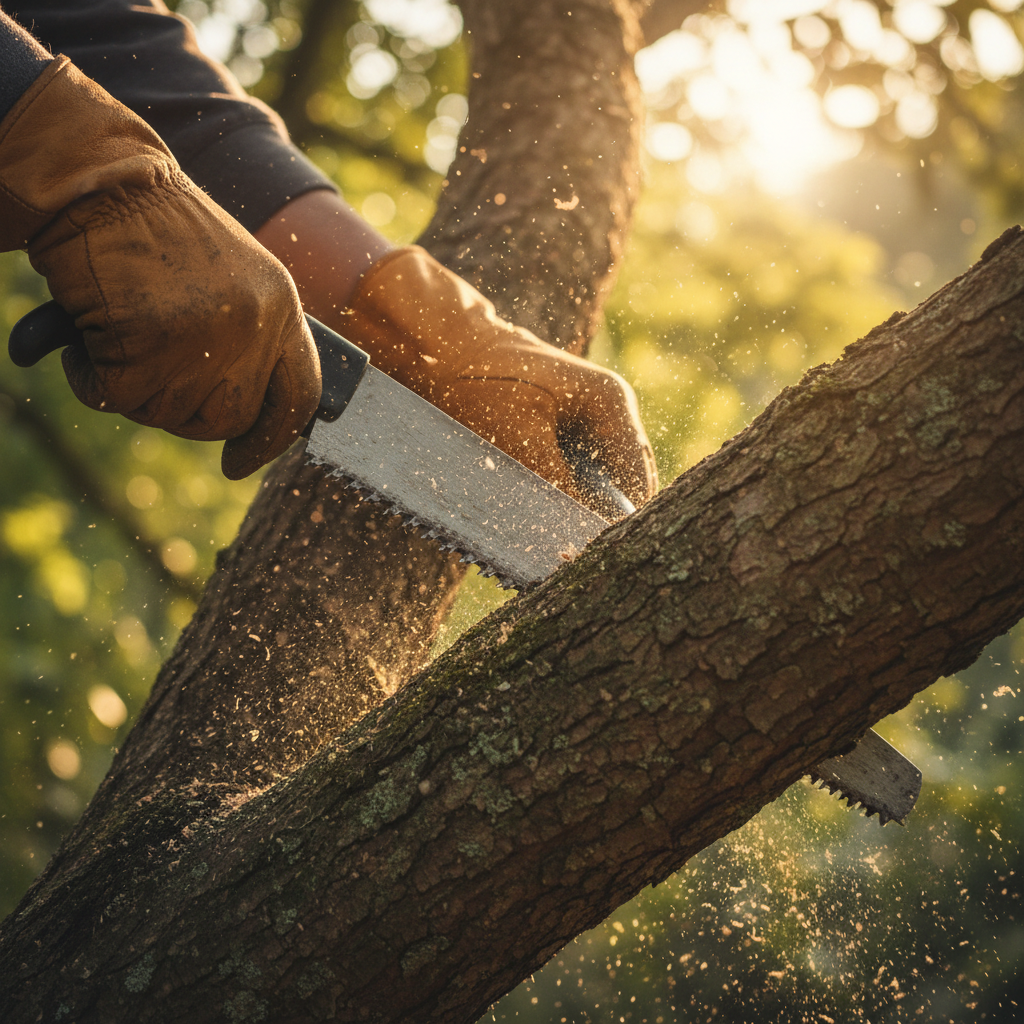
Once legal requirements and timing are settled, the physical process begins with a detailed site assessment to identify hazards like coastal wind exposure or the saturated soil conditions common in Ceredigion. We establish a clear safety perimeter before our arborists use advanced climbing techniques to access the upper canopy. For the precision required in a crown reduction tree service, we utilize specialized handsaws for small diameter peripheral cuts and professional chainsaws for larger lateral limbs, often employing controlled rigging to lower heavy wood safely without impacting your garden.
Our professional tree care services conclude with a complete cleanup, where all arisings are chipped and removed from your property. To begin this process and ensure your trees are prepared for the next storm season, contact us for free quote.
Maintaining the health of your trees through proper crown reduction is a vital part of long term garden care. While it can be tempting to tackle pruning yourself, avoiding the permanent damage caused by topping ensures your trees remain safe and beautiful for years to come. If you feel you want expert help or professional advice for your specific project, you can learn more about our team and experience to see how we can assist you. We are always happy to help local residents keep their greenery in peak condition.